
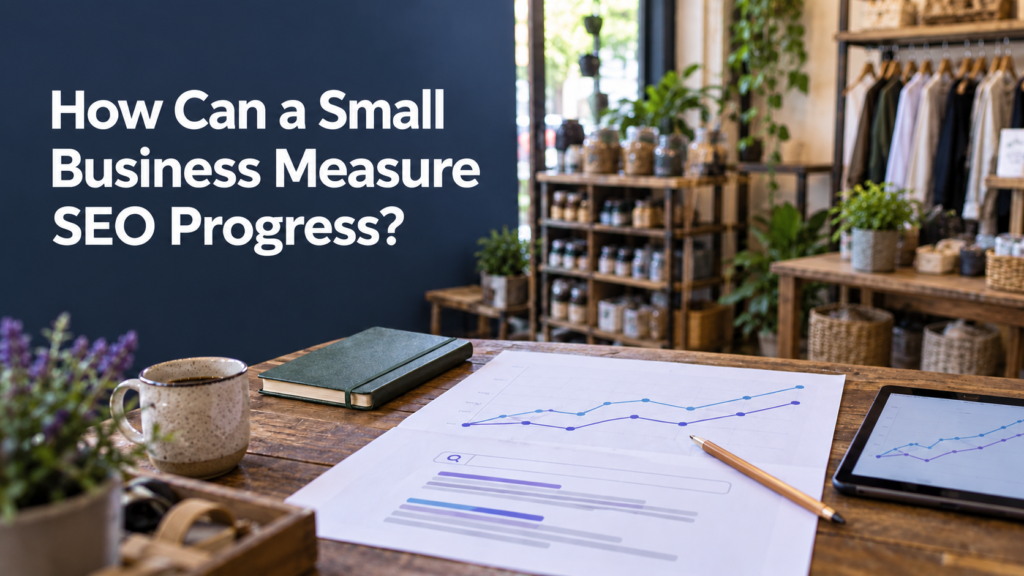
Search engine optimization usually develops over time. A website may gain impressions before it receives more visits, and new visitors may arrive before enquiries increase. For this reason, measuring SEO through one keyword position can give an incomplete picture.
A useful review combines visibility, traffic, engagement, and business outcomes. These measurements help show what is improving and where further work may be needed.
Begin With a Clear Starting Point
Before making changes, record the website’s current position. Useful baseline information includes organic traffic, search impressions, enquiries, and the pages already receiving visits.
The starting point also helps when comparing affordable SEO services. A low monthly price has little meaning unless the included work, reporting, and goals are clearly explained. Businesses should understand which pages will be improved, what content will be created, and how results will be tracked.
Monitor Search Impressions
An impression occurs when a website appears in search results. Rising impressions can show that search engines are beginning to display the site for more relevant searches.
This does not automatically mean that people are clicking. If impressions increase while visits remain unchanged, page titles and descriptions may need attention. The search terms may also be too broad or unrelated to the service being offered.
Review Organic Traffic Carefully
Organic traffic shows how many visitors reach the website through unpaid search results. The total number is useful, but the quality of those visits matters more.
A page that attracts a smaller number of relevant visitors may produce more inquiries than an article that receives high traffic from people with no interest in the service. SEO services for small businesses should therefore focus on search intent as well as visitor numbers.
Measure Content Performance
Helpful content can expand the range of searches for which a website appears. SEO content writing should answer real customer questions, explain services, and guide readers toward appropriate next steps.
Publishing monthly SEO blogs can build a useful resource over time, provided each article has a clear topic. Performance can be reviewed through impressions, visits, reading time, internal link activity, and enquiries connected to each page.
Good search-optimized content should also remain easy to read. Keywords, headings, and links need to support the subject instead of interrupting the writing. Existing articles may require updates when information changes or when search data reveals unanswered questions.
Track Enquiries and Conversions
Traffic alone does not show whether SEO supports the business. Calls, contact forms, bookings, purchases, and quote requests provide stronger evidence.
Conversion tracking can reveal which landing pages contribute to these actions. If a page receives relevant traffic but produces few inquiries, its content, layout, or call to action may need improvement.
It is also useful to compare mobile and desktop performance. A form that works well on a computer may be difficult to complete on a phone.
Look at Technical Improvements
SEO progress can also involve work that is less visible to visitors. Faster loading, corrected broken links, clearer navigation, and better mobile performance can strengthen the website’s foundation.
A professional SEO agency should explain these changes in plain language. Reports should show what was completed, why it mattered, and what the data suggests should happen next. Rankings can be monitored, but no provider controls search engine results or competitor activity.
Prime Rank provides SEO, content, and website services for businesses. Whatever provider is selected, regular communication and understandable reporting are important for evaluating the work.
Allow Enough Time for Patterns to Develop
SEO results can vary based on competition, website condition, content quality, and how long changes take to be discovered. Weekly fluctuations are normal and should not automatically lead to a change in strategy.
Monthly and quarterly comparisons often provide a clearer picture. Progress may appear first through stronger impressions, improved page coverage, or more relevant traffic before enquiries increase.
Conclusion
Small businesses can measure SEO progress by reviewing search visibility, relevant traffic, content performance, and conversions together. No single number explains the complete result.
A clear baseline, consistent reporting, and realistic review periods make it easier to understand whether the website is moving in the right direction and which improvements deserve attention next.
Frequently Asked Questions
How long does SEO take to show progress?
The timeframe varies according to competition, website condition, and the work completed. Early movement may appear in impressions before traffic or inquiries.
Are keyword rankings still useful?
Yes, but they should be reviewed alongside traffic, conversions, and the relevance of the searches.
How often should SEO reports be reviewed?
Monthly reporting is common, while quarterly comparisons can make broader trends easier to identify.